

In a lot of ways, the Ricoh GR III and Ricoh GR IIIx are the same cameras. After all, they have the same form factor, design, features, battery life, screen and sensor size and type. However, there’s one big difference between the two: their lenses.
While the GR IIIx is the newest addition to the GR lineup, it doesn’t set out to replace the GR III. In other words, it’s more of an alternative rather than a successor. If money’s no object, we’d recommend getting the two to get the best of both worlds, so to speak. However, neither one is exactly budget-friendly, and on that note, we highlight what makes one distinct from the other to help you get a better idea of what each one has to offer.
Ricoh GR III vs GR IIIx Comparison Chart
| Model | Ricoh GR III | Ricoh GR IIIx |
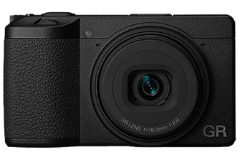 | 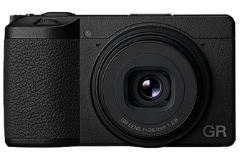 | |
| Price | Check Price at Ricoh-Imaging.com | Check Price at Ricoh-Imaging.com |
| Lens | 6 elements in 4 groups (2 aspherical lens elements) | 7 elements in 5 groups (2 aspherical lens elements) |
| Focal Length (35mm Equivalent) | 28mm | 40mm |
| Aperture | f/2.8-f/16 | f/2.8-f/16 |
| Effective Pixels | 24 megapixels | 24 megapixels |
| Sensor Type | CMOS | CMOS |
| Sensor Size | APS-C | APS-C |
| ISO Range | 100 – 102400 | 100 – 102400 |
| Image Stabilization | 3-axis | 3-axis |
| Display | 3-inch TFT | 3-inch TFT |
| Battery | DB-110, up to 200 shots | DB-110, up to 200 shots |
| Dimensions (W x H x D) | 109.4mm x 61.9mm x 33.2mm | 109.4mm x 61.9mm x 35.2mm |
| Weight | 257g | 262g |
Main Differences
The focal lengths of the Ricoh GR III and the Ricoh GR IIIx aren’t the same.
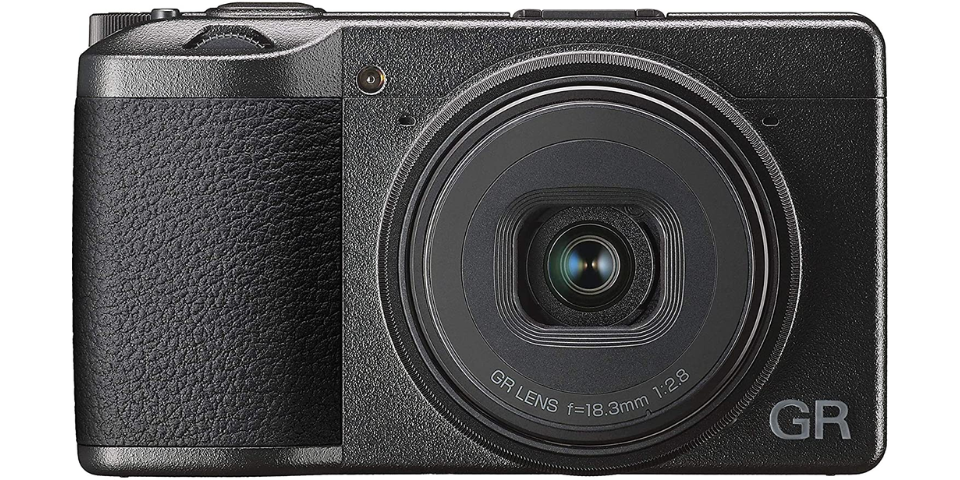
If it weren’t for their lenses, the Ricoh GR III and Ricoh GR IIIx would essentially be the same camera, where the former has a 28mm focal length and the latter 40mm.
Compared to 40mm, 28mm has a wider field of view, making for a steeper learning curve since it’s harder to compose a photo with more elements in the picture. However, that’s what makes it excel in landscape shots.
In contrast, 40mm is easier and hits a sweet spot of distance and width, and even then, it’s decent for wide shots if you want to include more details of an environment or scene. What’s more, the GR IIIx can create more bokeh that blends shapes in the background more, but if you’re after smearing the backdrop into oblivion, it can’t deliver, as it still tends to retain details that make objects recognizable.
Both are on the expensive side. You’ll pay more for the GR IIIx, but between the two, the price gap isn’t that wide.
Other Considerations
Most accessories for the Ricoh GR III and the Ricoh GR IIIx aren’t interchangeable.
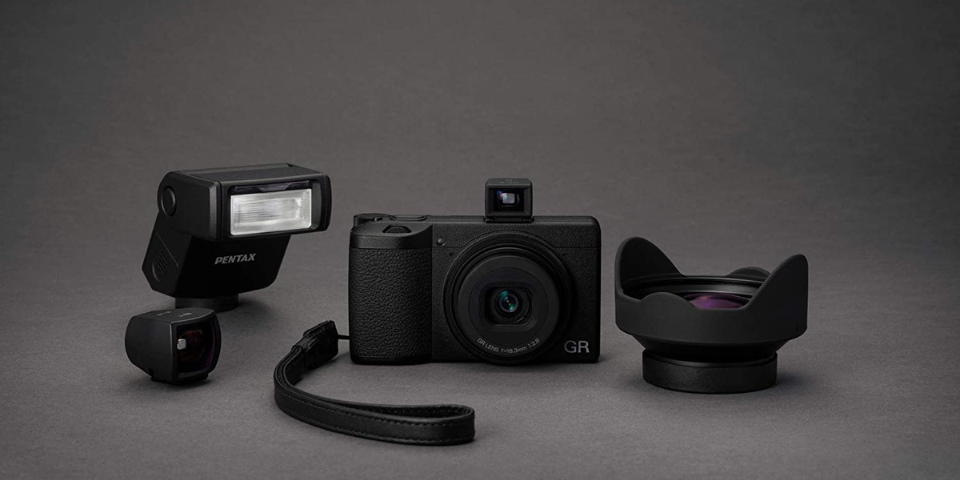
Both are as compact as they come and sport huge lenses that are practically disproportionate to their bodies, which is actually one of their main selling points. In terms of size, the two measure the same, but the Ricoh GR IIIx is slightly taller by two millimeters, a difference that’s hardly noticeable. It also weighs five grams more at 262g as opposed to 257g.
Now the two aren’t compatible with the same accessories. For starters, only the Ricoh GR III can use the External Viewfinder, but both cameras can be equipped with the External Mini Viewfinder. More importantly, though, the GR III has a Wide Conversion Lens that allows for 21mm shooting, and the GR IIIx has a Tele Conversion Lens for a 75mm focal length.
For the record, the GR IIIx rolled out and introduced new features, namely Full Press Snap and face and eye detection. However, these aren’t exclusive to it, as they’re available for the GR III too via a firmware update.
Similarities
Save for their lenses, the Ricoh GR III and the Ricoh GR IIIx are pretty much the same camera.
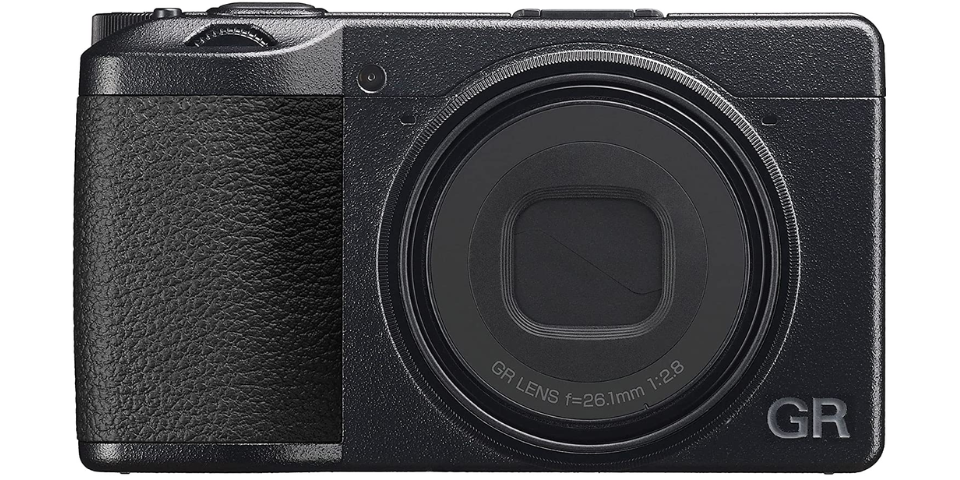
Just to outline what makes them similar, both the Ricoh GR III and Ricoh GR IIIx offer the same 24 effective megapixels, CMOS APS-C sensor and ISO range of 100 to 102400. Also, they have the same 3-axis image stabilizer and 3-inch TFT screen.
It’s the same story with their batteries too. They have the same DB-100 rechargeable cell, and they’re good for approximately 200 shots before needing to be plugged in again. But if you turn them off when you’re not using them, they can last longer than that. It’s worth mentioning that they turn on fairly fast, so even if you do keep them powered down when not in use, you likely won’t miss a shot if you have to take a quick one.
Verdict
Owning both the Ricoh GR III and the Ricoh GR IIIx or just one of them can go a long way.
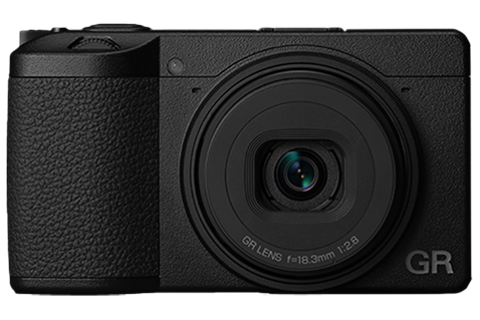
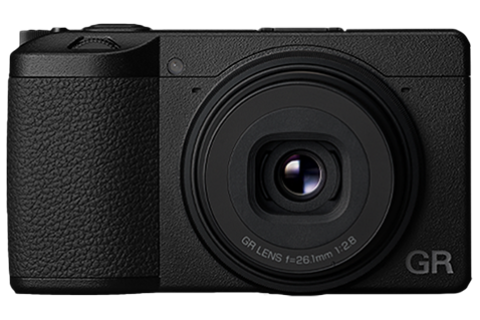
To sum things up, the two are more or less the same, but the Ricoh GR III has a 28mm focal length and the Ricoh GR IIIx has a 40mm one. The former is better for scenic shots where you want to capture lots of details and components, and it’s excellent for street photography too. Meanwhile, the latter is better for portrait shots and documentaries, and like its sibling, it’s good for street photos as well.
Rather than declare a winner, it’d be better to say that each one can bring its own unique benefits to the table. But for beginners, the GR IIIx may be the better pick since it’s more forgiving. For instance, you can get the hang of things first with it, and afterward, you can get the GR III down the line and expand your portfolio from there.
FAQs
The Ricoh GR III has a 28mm focal length, while the Ricoh GR IIIx has a 40mm focal length.
No, the Ricoh GR III doesn’t have an integrated viewfinder, but it’s compatible with an external viewfinder sold separately.
No, the Ricoh GR III isn’t weather-sealed, and neither is the newer Ricoh GR IIIx.
Not necessarily since both cameras can capture different shots and styles, and besides their focal lengths, they’re similar across the board.